
Understanding Studio Pipeline Roles and Where New Graduates Fit In
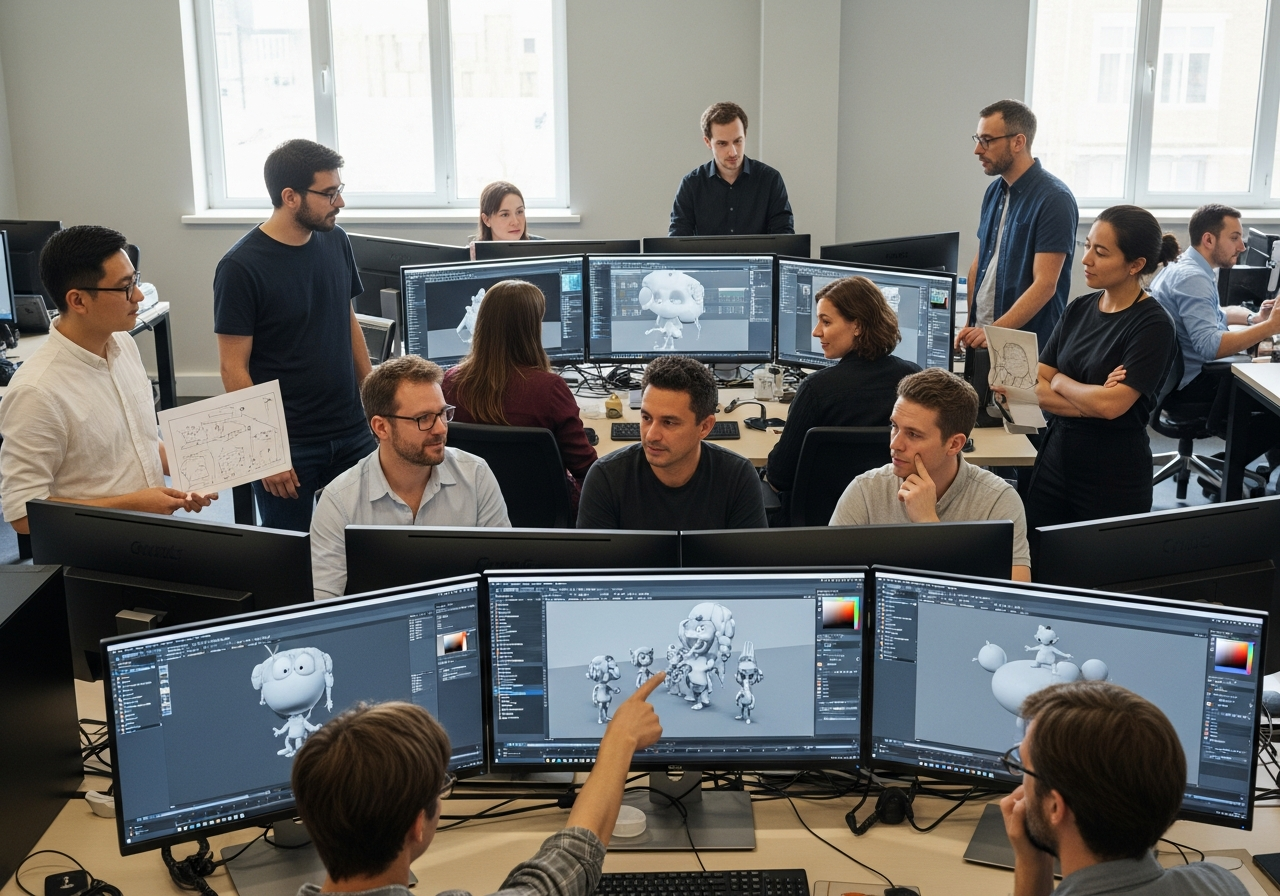
A studio pipeline in the Canadian creative industry refers to the systematic workflow that transforms initial concepts into finished creative products, whether that’s a VFX sequence, animated film, video game, or commercial spot. Think of it as the assembly line that moves projects from creative brief through production stages to final delivery, with specialized teams handling different aspects at each phase. Understanding this system is crucial for new graduates because it reveals not just what roles exist, but how they interconnect and where fresh talent typically enters the industry.
This article will help recent graduates navigate the complex landscape of Canadian studio operations by breaking down role families, identifying realistic entry points, and outlining the skills that actually matter when applying for pipeline positions. Rather than generic job descriptions, we’ll focus on how workflows function and where newcomers can realistically expect to start their careers in Canada’s thriving creative studios.
What a Canadian studio pipeline actually includes
The Canadian studio pipeline encompasses the entire journey from initial client brief to final asset delivery, with each stage requiring specific expertise and careful coordination. This workflow varies slightly between VFX houses, animation studios, game developers, and post-production facilities, but the core structure remains consistent across the industry. Understanding these stages helps graduates see where their skills might fit and how different roles support the overall production process.
Canadian studios have developed sophisticated pipeline systems that balance creative flexibility with production efficiency, often incorporating proprietary tools alongside industry-standard software. The pipeline includes both the technical infrastructure (render farms, asset databases, review systems) and the human processes that guide creative decisions and problem-solving throughout production. Each stage has distinct deliverables, quality checkpoints, and team responsibilities that keep projects moving toward completion.
| Pipeline stage | Typical work | Common outputs | Who touches it |
|---|---|---|---|
| Pre-production | Concept development, asset planning, technical requirements | Style guides, asset lists, technical specs | Producers, supervisors, concept artists |
| Asset Creation | Modeling, texturing, rigging, environment building | 3D models, textures, rigs, digital sets | Artists, technical artists, asset coordinators |
| Shot Production | Animation, lighting, effects, compositing | Rendered sequences, composite shots | Animators, lighters, compositors, shot coordinators |
| Technical Pipeline | Tool development, automation, render management | Scripts, tools, render farm optimization | Pipeline TDs, systems administrators |
| Review & Delivery | Quality control, client review, final delivery prep | Review sessions, delivery packages | Producers, coordinators, delivery specialists |
Core pipeline stages from brief to delivery
The pipeline begins with intake and planning, where producers and supervisors break down creative requirements into manageable tasks and technical specifications. This stage establishes the project’s scope, timeline, and resource allocation while identifying potential technical challenges that need early resolution. Asset creation follows, encompassing all the digital building blocks needed for production, from character models to environment textures.
Shot production represents the heart of most pipelines, where individual sequences come to life through animation, lighting, and effects work. This stage requires careful coordination between departments and constant communication about creative decisions and technical constraints. Finally, the pipeline moves through review cycles and delivery preparation, where work is refined based on feedback and packaged according to client specifications.
Throughout these stages, supporting systems handle asset management, version control, and render pipeline automation. Canadian studios have invested heavily in these technical foundations, creating opportunities for graduates who understand both the creative and technical aspects of production workflows.
How Canadian studios organize teams around the pipeline
Team organization varies significantly between large studios like Pixar Canada or Sony Pictures Imageworks and smaller boutique houses scattered across Toronto, Vancouver, and Montreal. Large studios typically organize around specialized departments with clear handoffs between stages, while smaller studios often require team members to wear multiple hats and work across different pipeline stages.
Canadian studios frequently adopt hybrid structures that blend department specialization with cross-functional project teams. This approach allows for both deep expertise and flexible resource allocation as project needs change. Production coordinators and pipeline supervisors serve as critical links between departments, ensuring smooth workflow transitions and addressing bottlenecks before they impact delivery schedules.
The rise of remote and distributed teams has also influenced how Canadian studios structure their pipelines, with many developing new coordination methods and communication protocols to maintain quality and efficiency across different locations and time zones.
The main role families new graduates should know
Canadian studios organize their workforce into distinct role families, each with specific responsibilities and career trajectories that new graduates should understand before targeting their job search. These families represent different aspects of the production pipeline, from creative execution to technical support, and offer varying levels of accessibility for entry-level candidates. Understanding these categories helps graduates identify where their current skills align and which areas might require additional development.
The accessibility of these roles varies significantly, with some offering clear entry points for new graduates while others typically require industry experience or specialized training. Production and support roles often provide the most accessible starting points, while senior creative and technical positions usually require demonstrated expertise and portfolio work that meets industry standards.
Each role family also has distinct career progression patterns, with some offering rapid advancement opportunities and others requiring longer development periods before significant responsibility increases. Graduates should consider not just immediate entry prospects but also long-term growth potential when evaluating different role families.
| Role family | Primary focus | Tools or systems | Entry-level accessibility |
|---|---|---|---|
| Production | Project coordination, scheduling, resource management | Shotgun, Asana, Excel, project databases | High – coordinator and assistant roles available |
| Creative | Visual content creation, artistic execution | Maya, Houdini, Nuke, Photoshop, Blender | Medium – requires portfolio and technical skills |
| Technical | Pipeline development, automation, problem-solving | Python, MEL, Linux, render farm systems | Medium – programming skills essential |
| Support | Operations, IT, facilities, administrative tasks | Various software, ticketing systems, databases | High – many entry-level opportunities |
| Quality Assurance | Review, testing, compliance, delivery verification | Review software, delivery systems, quality metrics | High – detail-oriented graduates welcome |
| Client Services | Client communication, project liaison, feedback management | Communication platforms, presentation software | Medium – requires communication skills and industry knowledge |
Role groups and what each one owns
Production roles encompass the coordination and management functions that keep projects moving through the pipeline efficiently. Junior positions in this family include assistant coordinators who track shot progress, update databases, and facilitate communication between departments. These roles offer excellent exposure to the entire pipeline while developing project management skills that transfer well across the industry.
Creative roles focus on the actual content creation, from modeling and animation to compositing and effects work. Entry-level positions might include junior artists working on specific assets under supervision, or generalists in smaller studios who contribute to multiple areas. Success in creative roles requires both artistic skill and technical proficiency with industry-standard software packages.
Technical roles bridge the gap between creative vision and technical execution, developing tools and systems that streamline production workflows. Pipeline technical directors and technical artists solve complex problems and automate repetitive tasks, making them invaluable to studio operations. Support roles handle the infrastructure and administrative functions that keep studios running smoothly, from IT support to facilities management, often providing stable entry points for graduates who want to learn the industry from the ground up.
Where new graduates fit in first
New graduates typically enter Canadian studios through support and coordination roles that provide broad exposure to pipeline operations while requiring less specialized experience than senior creative or technical positions. These entry points offer valuable learning opportunities and the chance to build relationships across different departments, setting the foundation for future career advancement. The key is identifying positions that match your current skill level while offering clear paths for growth and development.
Most successful graduate entries involve some combination of internship experience, relevant coursework, and demonstrated passion for the industry through personal projects or student work. Canadian studios often prefer candidates who understand the collaborative nature of production work and can adapt quickly to new tools and processes rather than those with narrow specialization in specific software packages.
- Assistant production coordinator roles that involve database updates, scheduling support, and inter-department communication
- Junior technical artist positions for graduates with strong scripting skills and software proficiency
- Quality assurance and review coordinator roles that require attention to detail and basic technical knowledge
- IT and systems support positions for graduates with computer science or technical backgrounds
- Runner and administrative roles that provide studio exposure while building industry connections
- Intern-to-hire programs offered by larger studios for graduates from recognized Canadian programs
Most common entry points for graduates
Assistant coordinator positions represent the most common graduate entry point across Canadian studios, offering exposure to project management tools, interdepartmental communication, and workflow tracking. These roles typically involve updating shot databases, coordinating review sessions, and supporting senior coordinators with scheduling and resource allocation tasks. The work provides excellent learning opportunities about how different pipeline stages connect and depend on each other.
Junior artist positions are available for graduates with strong portfolios and demonstrated software proficiency, though competition is typically intense. These roles often focus on specific pipeline stages like modeling, texturing, or compositing, with graduates working under close supervision while building professional-quality work samples. Success requires both technical skill and the ability to take direction and incorporate feedback effectively.
Technical support and quality assurance roles offer another accessible entry path, particularly for graduates with computer science backgrounds or those comfortable with problem-solving and detailed review work. These positions provide deep insight into studio operations while developing skills that transfer well to other role families as career interests evolve.
What graduates can do to move into pipeline roles
Building scripting and automation skills significantly improves graduate prospects for pipeline-adjacent roles, as studios increasingly value candidates who can contribute to workflow optimization and tool development. Python programming, in particular, is highly valued across the industry for its applications in pipeline automation, asset management, and custom tool creation. Even basic scripting ability demonstrates problem-solving aptitude and technical thinking that translates well to many studio roles.
Developing strong communication and cross-departmental collaboration skills sets graduates apart in a competitive job market. Studios need team members who can work effectively across different pipeline stages and translate between creative and technical requirements. Experience with project coordination, whether through school projects or internships, demonstrates readiness for the collaborative demands of professional production environments.
Building familiarity with industry-standard tools and file formats, even through personal projects or online learning, shows initiative and reduces the training burden for hiring studios. Understanding pipeline concepts like asset versioning, render farm management, and review workflow processes indicates genuine interest in the technical aspects of production that go beyond basic software operation.
Skills Canadian studios screen for
Canadian studios evaluate candidates across multiple skill dimensions, balancing technical proficiency with soft skills that indicate potential for growth and collaboration within team environments. The specific requirements vary significantly between role families and studio types, but certain foundational abilities appear consistently across job postings and hiring manager feedback. Understanding these core competencies helps graduates focus their learning efforts and present relevant experience effectively during the application process.
Technical skills generally fall into software proficiency, scripting and automation capabilities, and systems thinking that demonstrates understanding of how individual tools fit into larger workflow systems. Soft skills encompass communication abilities, problem-solving approaches, and cultural fit indicators that suggest candidates can thrive in collaborative, deadline-driven environments typical of Canadian studios.
| Skill area | Why it matters | Typical evidence | Level expected |
|---|---|---|---|
| Software Proficiency | Direct productivity and reduced training time | Portfolio work, certifications, project examples | Intermediate in 1-2 packages |
| Scripting/Programming | Pipeline automation and custom tool development | Code samples, automation examples, GitHub repos | Basic Python or MEL competency |
| Communication | Cross-team coordination and client interaction | Presentation skills, team project experience | Clear verbal and written communication |
| Problem-Solving | Troubleshooting technical and creative challenges | Project problem descriptions, solution approaches | Demonstrated analytical thinking |
| Workflow Understanding | Efficient integration into existing pipelines | Pipeline project experience, internship work | Basic pipeline concepts and file management |
| Adaptability | Learning new tools and adjusting to studio processes | Diverse project experience, learning examples | Openness to feedback and new approaches |
Technical and soft skills by role family
Production roles prioritize organizational and communication skills over specific software expertise, though familiarity with project management tools like Shotgun, Asana, or studio-specific databases provides significant advantages. Successful production candidates demonstrate attention to detail, ability to manage multiple concurrent tasks, and comfort with constant communication across different personality types and technical backgrounds. Problem-solving in production contexts often involves human and scheduling challenges rather than technical troubleshooting.
Creative roles require demonstrated proficiency in relevant software packages combined with artistic sensibility and ability to work within established style guidelines. Technical competency must be paired with efficiency and consistency, as production schedules demand reliable output quality under tight deadlines. Creative candidates should also show adaptability to feedback and direction, as collaborative refinement is central to professional creative workflows.
Technical roles demand programming skills and systems thinking, but equally value communication abilities that enable effective collaboration with non-technical team members. Pipeline-adjacent positions require understanding of creative workflows and the ability to translate between technical capabilities and creative requirements. Consistency and methodical problem-solving approaches are essential, as technical decisions impact entire production teams and project timelines.
How hiring differs across studio types
Canadian studios vary significantly in their hiring approaches, entry-level expectations, and career development opportunities based on their size, specialization, and client base. Large studios like those found in Vancouver’s thriving VFX corridor typically offer more structured entry programs but may have higher competition and more specialized role requirements. Smaller studios often provide broader learning opportunities but may offer less job security and fewer advancement paths within the organization.
The type of content a studio produces also influences their hiring priorities and entry-level accessibility. VFX houses focused on blockbuster films may emphasize technical precision and specialized skills, while studios creating episodic animation might prioritize efficiency and consistent output quality. Game development studios often seek candidates with interactive media understanding, while commercial and advertising-focused studios value fast turnaround abilities and client service skills.
| Studio type | Typical entry roles | Hiring emphasis | Graduate fit |
|---|---|---|---|
| Large VFX Studios | Assistant coordinators, junior artists, QA roles | Technical precision, portfolio quality, cultural fit | Good for structured learning and specialization |
| Animation Studios | Junior animators, coordinators, technical support | Storytelling ability, character work, consistency | Excellent for character and narrative skills |
| Game Development | Environment artists, technical artists, QA testers | Interactive experience, real-time optimization | Strong for technical artists and generalists |
| Commercial Studios | Generalists, coordinators, client services support | Speed, versatility, client communication | Great for fast-paced learning and variety |
| Boutique Post Houses | Multi-role positions, junior editors, assistants | Flexibility, eagerness to learn, relationship skills | Ideal for broad skill development |
Large studios versus small studios
Large Canadian studios typically offer more structured hiring processes with formal internship programs, defined career progression paths, and specialized role divisions that allow deep expertise development in specific areas. These organizations often have dedicated HR departments and established training programs for new graduates, but competition for positions tends to be intense and roles may be narrowly defined. The benefit lies in access to high-profile projects, cutting-edge technology, and mentorship from industry veterans.
Smaller studios frequently provide broader learning opportunities where new graduates can gain experience across multiple pipeline stages and develop versatile skill sets that serve them well throughout their careers. These environments often offer more direct access to senior staff and decision-makers, potentially accelerating learning and advancement opportunities. However, smaller studios may have less job security, fewer advancement opportunities within the organization, and limited access to the largest, most prestigious projects.
The choice between large and small studio environments often depends on graduate career goals and learning preferences. Those seeking deep specialization and structured development may thrive in larger organizations, while graduates who prefer variety, rapid responsibility growth, and broad industry exposure might find smaller studios more appealing for their early career development.
Remote, hybrid, and on-site realities
The Canadian studio landscape has evolved significantly regarding remote work options, with many organizations now offering hybrid arrangements that blend home and office work. However, entry-level positions often require more on-site presence due to the mentorship and collaboration needs that are difficult to replicate in remote environments. New graduates typically benefit from direct access to experienced colleagues and the informal learning that happens through casual office interactions.
Remote positions tend to require more self-direction and communication skills, as graduates must proactively seek guidance and feedback rather than relying on overheard conversations and spontaneous learning opportunities. Studios offering remote work often implement structured communication protocols and regular check-ins to ensure new team members receive adequate support and integration into studio culture.
Hybrid arrangements often provide the best of both worlds for graduate development, offering flexibility while maintaining access to collaborative environments and mentorship opportunities. However, these positions typically become available after graduates have demonstrated competency and self-sufficiency in their roles, making them progression opportunities rather than entry-level options.
A graduate path from support role to pipeline specialist
The typical progression from support roles to pipeline specialist positions follows a predictable pattern of increasing technical responsibility and workflow ownership over several years. Most graduates begin with basic coordination or administrative tasks that provide exposure to studio operations while building relationships and demonstrating reliability. Success in these entry roles creates opportunities to take on technical challenges and develop specialized skills that lead to pipeline-focused positions.
This progression typically requires 2-4 years of focused development, during which graduates build both technical expertise and industry credibility through consistent performance and professional growth. The path involves gradually taking ownership of specific workflow components while developing the problem-solving and communication skills essential for pipeline specialist success.
- Start in support or coordination role to learn studio workflows and build professional relationships while demonstrating reliability and learning aptitude
- Develop scripting and automation skills through personal projects and workflow improvements that add value to your current role
- Take on technical troubleshooting responsibilities and cross-training opportunities to broaden pipeline knowledge and demonstrate technical competency
- Lead small workflow optimization projects that showcase problem-solving abilities and understanding of production needs
- Transition to junior pipeline roles with increasing ownership of specific tools, systems, or workflow components
- Build expertise in specialized areas like asset management, render optimization, or tool development to become recognized pipeline specialist
Typical progression milestones
The first major milestone occurs when graduates demonstrate consistent performance in their entry roles and begin taking on additional responsibilities beyond their basic job requirements. This typically happens within 6-12 months and involves volunteering for projects, suggesting workflow improvements, or helping with technical issues that arise during production. Studios notice employees who contribute beyond their minimum duties and often reward this initiative with increased responsibility and learning opportunities.
Technical skill development represents the second crucial milestone, as graduates begin building automation and scripting capabilities that directly impact studio efficiency. This phase involves formal or self-directed learning in programming languages like Python, combined with practical application to real studio challenges. Success here often leads to recognition as someone who can bridge creative and technical requirements effectively.
The transition to pipeline specialist typically occurs when graduates demonstrate ownership of specific workflow components and can work independently on technical challenges while communicating effectively with both technical and creative team members. This milestone represents the culmination of several years of focused development and positions graduates for continued advancement into senior technical roles within the industry.
What makes a strong article for job seekers in this niche
Most career guidance for Canadian studio roles focuses on generic job board listings and basic skill requirements rather than providing practical insight into how studios actually operate and where new graduates realistically fit within existing workflows. This approach leaves graduates unprepared for the collaborative, deadline-driven reality of professional production environments and unclear about progression paths beyond entry-level positions. A more effective approach combines pipeline education with realistic career guidance that reflects actual industry hiring patterns and development opportunities.
Content gaps competitors usually miss
Traditional career content treats studio roles as isolated job descriptions rather than interconnected parts of larger workflow systems, leaving graduates confused about how their work contributes to final deliverables and what advancement opportunities exist. Most articles also focus on software skills rather than the collaboration and problem-solving abilities that actually determine success in pipeline roles. This narrow focus fails to prepare graduates for the cross-functional communication and workflow thinking that Canadian studios value most in their entry-level hires.
Additionally, most career guidance ignores the significant differences between studio types and sizes, treating all Canadian studios as equivalent when hiring approaches, role structures, and growth opportunities vary dramatically between large VFX houses and smaller boutique operations.
Unique angle for this article
This article bridges the gap between pipeline education and practical career guidance by explaining studio workflows as integrated systems while identifying realistic entry points and progression paths for new graduates. Rather than listing job requirements, it focuses on how roles connect within larger production contexts and what graduates can do to position themselves effectively for pipeline-adjacent careers. The Canadian focus ensures relevance to local studio practices, government programs, and educational pathways that graduates actually encounter in their job searches.
By combining workflow literacy with career strategy, this approach helps graduates understand not just what roles exist, but why they matter and how to build toward them systematically through skill development and strategic career positioning.