
How to Leverage Film Festival Internships for Career Entry
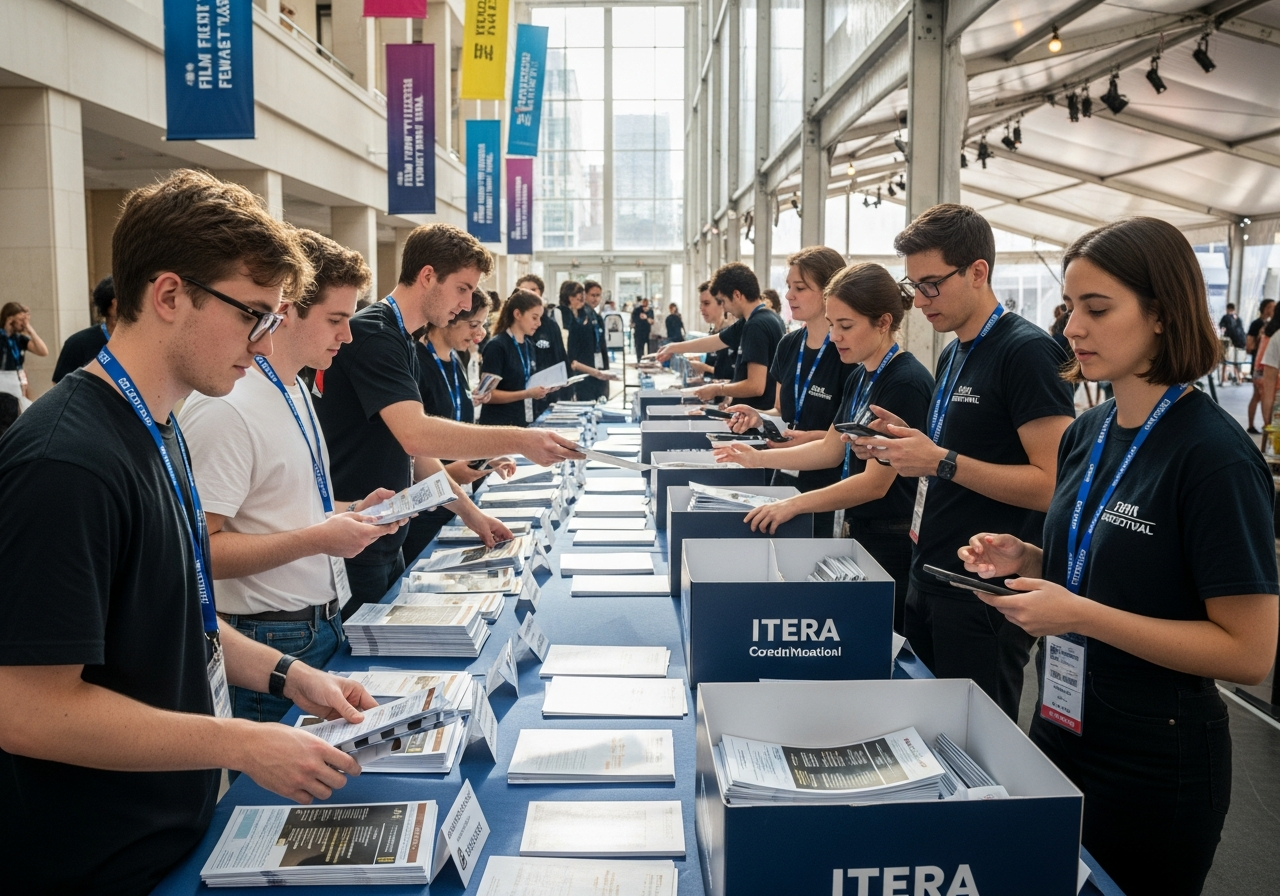
Canadian film festivals represent one of the most accessible entry points into the country’s vibrant film and television industry. From the internationally renowned Toronto International Film Festival (TIFF) to specialized events like the Korean Film Festival Canada and regional celebrations such as the Kingston Canadian Film Festival, these annual gatherings offer students and early-career professionals direct access to industry gatekeepers, creative collaborators, and potential employers. Unlike traditional job applications that often require years of experience, festival internships welcome fresh talent and provide hands-on learning in real-world production environments.
You already understand that internships matter for career development—what you need is a tactical, Canadian-specific roadmap that transforms short-term festival work into sustainable industry opportunities. This guide moves beyond basic internship listings to provide strategic insight into choosing the right festivals, crafting winning applications, building meaningful professional relationships, and converting temporary roles into credits, references, and paid positions across programming, production, marketing, and distribution.
Whether you’re a film studies student, a recent graduate, or a career changer bringing transferable skills from hospitality, administration, marketing, or design, Canadian film festivals offer pathways that align with diverse backgrounds and career aspirations. The following action plan will help you navigate the festival ecosystem strategically, maximize your learning during internships, and build a multi-year career launch strategy tailored to Canada’s unique screen industry landscape.
Why Canadian Film Festival Internships Are a Powerful Career Entry Point
Film festival internships in Canada offer an unmatched combination of accessibility and industry exposure that traditional entry-level positions simply cannot provide. TIFF internships place you alongside seasoned programmers and publicists during one of the world’s most influential film events, while regional festivals like the Kingston Canadian Film Festival and Korean Film Festival Canada offer more intimate environments where interns often work directly with festival directors and gain exposure to specialized programming strategies. These positions typically require enthusiasm and basic organizational skills rather than extensive industry experience, making them ideal launching pads for newcomers.
The advantages extend far beyond the festival dates themselves. Interns gain direct access to film programmers who shape cultural conversations, publicists who manage major campaign launches, and filmmakers who are actively developing new projects. This exposure provides insider knowledge of industry structure and timing that takes years to acquire through traditional career paths. You’ll witness how films move from festival selections to distribution deals, how marketing campaigns develop around emerging talent, and how programming decisions influence audience reception and critical discourse.
Beyond networking opportunities, festival internships offer tangible career assets including academic credits, professional references from respected industry figures, and documented experience in high-pressure event management. Many festivals hire seasonal staff from their intern pools, creating natural pathways into ongoing roles in programming assistance, marketing coordination, and operations management. The experience also translates directly to work-study positions with cultural organizations, film societies, and production companies seeking candidates who understand both creative and logistical aspects of film presentation.
Success in festival internships requires aligning your participation with specific career goals rather than treating all festivals as equivalent opportunities. Programming internships suit candidates interested in curatorial work, film criticism, or distribution, while marketing roles build skills for publicity, social media management, and campaign development. Community outreach positions prepare candidates for audience development, educational programming, and cultural policy work. Understanding these distinctions helps you target festivals and roles that advance your particular career vision rather than simply accumulating general experience.
The key advantage of Canadian film festival internships lies in their integration with the broader cultural ecosystem. Unlike volunteer positions that might offer limited learning opportunities, festival internships place you within professional workflows where your contributions directly impact event success and industry relationships. This environment accelerates skill development while providing evidence of your capabilities under real-world conditions that employers across the screen industries recognize and value.
How Film Festivals Fit into the Canadian Screen Industry Ecosystem
Canadian film festivals operate as crucial connection points between independent filmmakers, distributors, broadcasters, and funding agencies, making them strategic locations for career development within the broader screen industry. TIFF functions as a major international marketplace where Canadian productions gain exposure alongside Hollywood releases, while regional festivals like the Kingston Canadian Film Festival focus specifically on Canadian content and emerging domestic talent. Specialized events such as the Korean Film Festival Canada and Toronto Chinese Canadian Film Festival serve cultural communities while also connecting diverse voices to mainstream industry opportunities.
These festivals maintain year-round relationships with key industry players including Telefilm Canada, provincial funding bodies, major broadcasters like CBC and CTV, and production companies seeking new talent and projects. Festival staff work continuously with these organizations on programming decisions, special events, and industry development initiatives. As an intern, you gain exposure to these ongoing relationships and the behind-the-scenes discussions that shape funding decisions, production opportunities, and distribution strategies long before they become public knowledge.
The internship experience provides insider access to industry players during their most active networking periods, when decisions about future projects, hiring, and collaborations are actively being made. Festival environments create informal settings where conversations about upcoming productions, staffing needs, and creative partnerships happen naturally, giving interns opportunities to learn about opportunities before they’re formally posted or announced through traditional channels.
Setting a Career Vision Before You Apply
Before pursuing festival internships, successful candidates develop clear career goals that inform their application strategy and festival selection. Whether you’re interested in production roles, programming and curation, marketing and publicity, or distribution and sales, each path benefits from different types of festival experience and requires distinct approaches to skill development and relationship building. Production-focused candidates should prioritize festivals with strong filmmaker attendance and industry screenings, while those interested in programming should seek festivals known for curatorial innovation and programmer development.
Marketing and publicity candidates benefit most from festivals with significant media coverage and public engagement campaigns, where they can observe and contribute to audience development strategies, press relations, and social media management. Those interested in distribution and sales should target festivals with active market components and strong industry attendance from acquisitions executives and international buyers. Having this clarity allows you to craft applications that demonstrate relevant skills and genuine interest rather than generic enthusiasm for film.
Career changers should identify transferable skills from previous experience that align with specific festival departments and industry needs. Event planning experience translates directly to festival operations, while customer service backgrounds provide foundations for guest relations and industry hospitality roles. Marketing professionals can contribute immediately to publicity campaigns, while those with financial or administrative experience often find opportunities in festival management and coordination roles that provide broad industry exposure and advancement potential.
Mapping the Canadian Film Festival Internship Landscape
The Canadian film festival landscape offers diverse internship opportunities across major urban centers and specialized cultural programming, each providing distinct advantages for career development. Understanding the specific characteristics, compensation structures, and career benefits of different festivals helps you make strategic choices that align with your goals and circumstances. Major festivals like TIFF offer comprehensive programming across multiple departments but also attract highly competitive applicant pools, while regional and specialized festivals may provide more personalized mentorship and broader responsibilities.
Compensation varies significantly across the festival landscape, from unpaid positions offering academic credit and professional experience to paid internships that provide modest stipends or hourly wages. Some festivals offer hybrid arrangements where interns receive modest compensation plus benefits like industry event access, professional development workshops, and formal mentorship programs. Understanding these distinctions helps you plan financially and academically for your internship experience.
The career advantages of different festivals depend largely on their industry connections, alumni networks, and ongoing programming throughout the year. Some festivals operate as part of larger cultural organizations that offer potential for ongoing employment, while others function as standalone events that provide intensive but time-limited experience. Researching the broader organizational context helps you understand long-term opportunities and relationship-building potential beyond the immediate internship period.
Geographic considerations also play important roles in festival selection, particularly for students managing academic schedules and career changers balancing existing responsibilities. Festivals in major centers like Toronto, Vancouver, and Montreal offer proximity to industry infrastructure but also higher living costs, while regional festivals may provide housing assistance or more affordable accommodation options. Some festivals offer remote or hybrid opportunities for specific roles, expanding access for candidates with geographic or financial constraints.
Success in festival internships often depends on the quality of mentorship and professional development support provided by different organizations. Festivals with structured intern programs offer orientation sessions, skill-building workshops, and formal feedback processes that enhance learning outcomes. Others provide more informal but equally valuable apprenticeship-style experiences where interns work closely with department heads and gain exposure to senior-level decision making and industry relationship management.
| Festival/Program | Location | Typical Roles | Compensation/Credit | Key Career Advantages |
|---|---|---|---|---|
| Toronto International Film Festival (TIFF) | Toronto, ON | Programming, Publicity, Guest Relations, Operations | Academic credit + stipend for select roles | International industry exposure, major media coverage, extensive alumni network |
| Kingston Canadian Film Festival | Kingston, ON | Canadian Programming, Community Outreach, Marketing | Academic credit available | Focus on Canadian content, intimate mentorship, direct filmmaker access |
| Korean Film Festival Canada | Toronto, ON | Cultural Programming, Translation, Community Relations | Volunteer basis with references | Specialized cultural programming, international connections, community engagement |
| Vancouver International Film Festival | Vancouver, BC | Programming, Industry Relations, Digital Marketing | Paid internships available | West Coast industry connections, Pacific Rim focus, year-round programming |
| Toronto Chinese Canadian Film Festival | Toronto, ON | Cultural Outreach, Programming, Translation Services | Volunteer with networking opportunities | Diaspora filmmaking focus, community building, cross-cultural programming |
| Atlantic International Film Festival | Halifax, NS | Regional Programming, Maritime Focus, Industry Development | Academic credit with local partnerships | Regional industry development, Atlantic Canadian content, emerging filmmaker support |
| Montreal World Film Festival | Montreal, QC | International Programming, French-Language Content, Protocol | Stipend for bilingual candidates | International competition focus, Quebec industry connections, bilingual skills development |
Choosing the Right Festivals for Your Career Goals
Selecting festivals strategically requires balancing career objectives with practical considerations including location, cost of living, and personal circumstances. Students and early-career professionals benefit from creating tiered target lists that include reach festivals with competitive programs, target festivals that align well with their backgrounds, and safety festivals where acceptance is more likely. This approach ensures multiple opportunities while allowing focus on preferred outcomes.
Successful festival selection also considers the size and scope of festival operations, which directly impacts the breadth of experience available to interns. Large festivals like TIFF offer specialized roles within specific departments but may limit exposure to other aspects of festival operations, while smaller regional festivals often provide broader responsibilities across multiple areas. Career changers particularly benefit from smaller festivals where transferable skills from previous careers can be immediately applied across diverse responsibilities.
- Research festival size and delegation structure to understand mentorship opportunities and scope of responsibilities available to interns
- Evaluate location and cost-of-living factors against potential compensation, housing assistance, or travel support offered by different festivals
- Investigate alumni outcomes by reviewing staff listings, industry credits, and professional networks associated with festival graduates
- Consider timing and duration of internships relative to academic schedules, existing work commitments, and other career development activities
- Assess language requirements and cultural focus areas to identify festivals where your background and interests align with programming priorities
- Review festival partnerships with industry organizations, funding bodies, and educational institutions that might provide additional learning and networking opportunities
Aligning Festival Roles with Specific Film and TV Career Paths
Understanding how festival internship departments connect to broader industry career paths enables strategic role selection that builds relevant experience and professional relationships. Festival programming internships provide direct exposure to curatorial decision-making, film selection criteria, and industry relationship management that translates into careers in distribution, broadcasting, and cultural programming. Marketing and publicity roles build skills in campaign development, media relations, and audience engagement that apply across entertainment marketing, cultural organizations, and content promotion.
Operations and guest relations internships develop project management, logistics coordination, and client service skills that form foundations for production assistance, location management, and industry coordination roles. Administrative and finance positions, often overlooked by candidates seeking more visible roles, provide exposure to budget management, contract administration, and organizational operations that prepare interns for production management and industry administration careers.
The Canadian context adds specific industry connections that enhance the value of festival experience for long-term career development. Festivals maintain ongoing relationships with Telefilm Canada, provincial funding agencies, major broadcasters, and production companies that create natural pathways for skilled interns to transition into industry roles. Understanding these connections helps interns focus their learning and relationship-building on areas most relevant to their career objectives.
Technical and creative support roles within festivals also provide valuable industry exposure often unavailable through traditional entry-level positions. Website and social media management, graphic design, video production, and digital marketing roles allow interns to build portfolios while contributing to high-profile events that showcase their work to industry professionals. These positions often combine creative and technical skills that are increasingly valuable across the screen industries.
| Internship Department | Typical Tasks | Transferable Skills | Likely Career Paths | Canadian Industry Examples |
|---|---|---|---|---|
| Programming | Film screening, selection support, programmer assistance, industry outreach | Curatorial judgment, content analysis, relationship management, cultural awareness | Distribution, broadcasting, cultural programming, film criticism | CBC Arts, Telefilm Canada, provincial arts councils, repertory theaters |
| Marketing & Publicity | Press release writing, social media management, media relations, campaign support | Content creation, media relations, brand management, audience development | Entertainment marketing, cultural communications, digital marketing, media relations | Entertainment One, Mongrel Media, distributor marketing teams |
| Operations & Logistics | Venue coordination, equipment management, volunteer coordination, scheduling | Project management, logistics coordination, problem-solving, team leadership | Production assistance, location management, event coordination, operations management | Production companies, location services, post-production facilities |
| Guest Relations & Industry Services | Filmmaker liaison, hospitality coordination, industry event management, protocol | Client service, relationship management, cultural sensitivity, professional communication | Talent relations, production coordination, industry representation, cultural liaison | Talent agencies, production services, cultural organizations, government film offices |
| Administration & Finance | Budget tracking, contract administration, data management, organizational support | Financial analysis, contract management, data analysis, organizational systems | Production accounting, business affairs, industry administration, funding coordination | Production accountants, business affairs departments, funding agencies |
| Digital Media & Design | Website management, graphic design, video production, digital marketing | Digital content creation, design software, web management, multimedia production | Post-production, digital marketing, content creation, multimedia design | Post-production houses, digital agencies, broadcaster digital teams |
Spotlighting Under-the-Radar Roles that Fast-Track Careers
Administrative and financial roles within festival operations often provide the most comprehensive industry education while attracting fewer competitive applications than high-visibility programming or marketing positions. Finance and administration interns gain exposure to budget management, funding relationships, and organizational decision-making that provides deep understanding of industry economics and structure. These roles offer direct interaction with senior management and board members who make strategic decisions and maintain extensive industry connections.
Submissions coordination and review roles place interns at the center of festival programming decisions, providing exposure to emerging filmmakers, industry trends, and curatorial criteria. This work involves direct communication with producers, distributors, and sales agents, building relationships across the industry ecosystem. The experience also develops critical viewing skills and industry knowledge that benefit careers in programming, distribution, and development across various screen industry sectors.
Data management and research positions, increasingly important as festivals expand their digital presence and audience development strategies, offer opportunities to build technical and analytical skills while supporting strategic planning. These roles often involve tracking industry trends, audience engagement metrics, and festival performance data that provides broader industry insight. The combination of technical and analytical skills developed through these positions aligns well with the industry’s growing emphasis on data-driven decision making and digital audience engagement.
Building a Skills-First Strategy Rather Than a Job-Title Strategy
Successful festival interns focus on demonstrating and developing sought-after industry skills rather than pursuing specific job titles or departments that might seem more prestigious. Project management capabilities, demonstrated through coordinating festival events, managing volunteer teams, or overseeing logistical details, translate directly to production roles where similar organizational and leadership skills are essential. These capabilities are particularly valuable because they can be measured and documented through specific achievements and outcomes.
Client service and relationship management skills, developed through guest relations, filmmaker liaison work, or industry event coordination, provide foundations for careers across the screen industries where professional relationships drive opportunities and project development. The ability to maintain professional relationships under pressure, accommodate diverse needs, and facilitate productive interactions between different stakeholders represents a core competency that employers value across multiple departments and career levels.
Technical and digital skills, including social media management, database administration, design work, or content creation, offer immediate value to employers while providing portfolio material that demonstrates capabilities. These skills are particularly valuable for career changers who can combine technical capabilities with industry knowledge gained through festival experience to position themselves for roles that require both technical and cultural competencies.
Securing a Competitive Canadian Film Festival Internship
Successfully securing festival internships requires systematic research, tailored applications, and strategic presentation of relevant experience and skills. The application process varies significantly across different festivals, from TIFF’s comprehensive program requiring writing samples and detailed portfolios to smaller regional festivals with more streamlined application processes focused on availability and enthusiasm. Understanding these requirements early allows adequate time for application preparation and skill development.
Research begins with thoroughly reviewing festival websites, staff listings, and previous year’s programming to understand organizational priorities, cultural focus areas, and staff structure. This information helps tailor applications to demonstrate knowledge of and alignment with festival goals rather than submitting generic materials. Successful candidates also research festival alumni through LinkedIn and industry databases to understand career pathways and outcomes associated with different programs.
CV and cover letter preparation requires highlighting transferable skills and relevant experience while demonstrating genuine understanding of and interest in festival operations and cultural programming. Academic experience in film studies, communications, or cultural studies provides relevant background, but candidates from other disciplines can emphasize project management, event coordination, customer service, or technical skills that apply directly to festival operations.
- Research festival organizational structure, programming priorities, and staff backgrounds to understand cultural fit and role requirements
- Review application requirements early to allow time for portfolio development, writing sample preparation, or skill building as needed
- Tailor CV content to emphasize transferable skills, relevant coursework, and experience with event coordination, cultural programming, or media production
- Craft cover letters that demonstrate specific knowledge of festival programming and articulate clear connections between your background and festival needs
- Prepare portfolios or writing samples that showcase relevant skills while reflecting festival aesthetic and programming sensibilities
- Submit applications well before deadlines with all required materials properly formatted and proofread
- Follow up professionally if interviews are offered, preparing to discuss specific ways you can contribute to festival success and your learning objectives
Showcasing Your Portfolio and Experience for Festival Recruiters
Portfolio development for festival applications requires demonstrating relevant skills through concrete examples while showing understanding of festival aesthetics and programming priorities. Film students can include short films, video projects, or production work that demonstrates technical capabilities and creative sensibilities aligned with festival programming. Writing samples for programming or marketing roles should reflect critical thinking about film and cultural programming while demonstrating clear, engaging communication skills appropriate for festival audiences.
Non-film candidates can develop relevant portfolio materials through campus event coordination, community cultural programming, or personal projects that demonstrate applicable skills. Event planning documentation, marketing materials created for cultural organizations, or social media campaigns for arts events provide evidence of capabilities that transfer directly to festival operations. The key is presenting these materials in ways that highlight skills most relevant to festival needs rather than simply documenting previous experience.
Digital portfolios and online presence become increasingly important as festivals evaluate candidates’ comfort with social media, web-based promotion, and digital audience engagement. A well-curated LinkedIn profile, professional social media presence, or personal website that showcases relevant work and cultural interests can strengthen applications significantly. These materials should demonstrate professionalism while reflecting genuine engagement with film culture and industry trends that align with festival programming.
Portfolio presentation should balance showcasing individual capabilities with demonstrating collaborative skills and cultural awareness that festivals value in team environments. Including examples of collaborative projects, community engagement, or cross-cultural work can be particularly valuable for festivals with diverse programming or community outreach components. The goal is presenting yourself as both capable and collegial, ready to contribute to festival success while learning from the experience.
Maximizing On-the-Ground Learning and Responsibilities During the Internship
Success during festival internships requires proactive engagement, systematic skill development, and strategic relationship building that extends beyond basic task completion. Effective interns arrive prepared to contribute immediately while identifying learning opportunities that advance their career goals. This involves understanding festival operations holistically rather than focusing solely on assigned department responsibilities, enabling contributions across multiple areas when opportunities arise.
Professional behavior during high-pressure festival environments builds reputation and relationships that extend beyond the immediate internship period. Festivals operate under intense deadlines with multiple stakeholders managing competing priorities, creating environments where reliability, flexibility, and positive attitude become highly valued qualities. Interns who consistently deliver accurate work while maintaining professional demeanor under pressure often receive additional responsibilities and stronger recommendations.
Documenting achievements and learning outcomes during the internship creates valuable material for future applications, academic credit requirements, and portfolio development. This involves tracking specific contributions, skills developed, and relationships built rather than simply completing assigned tasks. Successful interns maintain learning logs that record insights about industry operations, cultural programming decisions, and professional practices that inform their ongoing career development.
Managing intense festival schedules while maintaining learning focus requires strategic time management and energy conservation. Festivals often involve long days, multiple events, and constantly changing priorities that can overwhelm unprepared interns. Successful candidates develop systems for staying organized, managing energy levels, and maintaining professional performance throughout the duration of the festival while identifying key learning opportunities that justify the intensive schedule demands.
Building relationships with fellow interns, volunteers, and staff creates networks that often prove valuable long after the festival concludes. Many festival staff work across multiple events throughout the year, and intern cohorts frequently maintain connections as they advance in their careers. Investing in these relationships through mutual support, information sharing, and ongoing communication creates professional networks that provide opportunities and industry knowledge over time.
- Arrive early and stay late when possible to observe setup and breakdown processes that reveal organizational systems and problem-solving approaches
- Volunteer for additional responsibilities when your assigned work is complete, demonstrating initiative and flexibility that supervisors remember
- Ask thoughtful questions about decision-making processes, industry relationships, and programming strategies during appropriate moments
- Maintain detailed notes about procedures, contacts, and insights that can inform future applications and career planning
- Offer solutions when challenges arise rather than simply reporting problems, demonstrating problem-solving capabilities that add value
- Support fellow interns and volunteers while building collaborative relationships that strengthen the overall team environment
- Express appreciation for learning opportunities and specific guidance received, building positive relationships with supervisors and mentors
Making Yourself Indispensable to Festival Teams
Interns who become indispensable to festival operations demonstrate consistent reliability while anticipating needs and providing solutions before problems escalate. This involves understanding workflow patterns, identifying potential challenges early, and preparing resources or solutions that support smooth operations. Managers particularly value interns who reduce their workload by handling routine tasks efficiently while alerting them to situations requiring senior attention.
Attention to detail in high-pressure environments distinguishes exceptional interns from those who simply complete assigned tasks. Festivals involve complex logistics, multiple deadlines, and significant public visibility where small errors can have major consequences. Interns who consistently deliver accurate work while maintaining quality standards under pressure often receive increased responsibilities and stronger advocacy from supervisors for future opportunities within the organization or industry.
Problem-solving capabilities that address immediate challenges while improving ongoing operations create lasting value that supervisors remember when providing references or considering future employment. This might involve developing more efficient systems for routine tasks, identifying ways to improve communication between departments, or suggesting approaches that enhance audience or filmmaker experience. The key is contributing solutions that demonstrate understanding of festival goals and organizational needs.
Capturing Transferable Skills in Real Time
Successful interns systematically document specific achievements and quantifiable contributions that demonstrate their impact and capabilities to future employers. This includes tracking numbers of screenings supported, guests managed, events coordinated, or media contacts maintained rather than simply listing general responsibilities. Specific metrics provide concrete evidence of capabilities and experience level that strengthen future applications and interviews.
Recording learning outcomes and skill development during the internship creates valuable material for academic credit requirements, professional development planning, and career advancement conversations. This involves noting specific industry knowledge gained, professional practices observed, and capabilities developed through festival work. Many successful interns maintain learning portfolios that combine reflection with documentation of specific projects and achievements that showcase their growth and contributions.
Capturing feedback and recognition received during the internship provides valuable material for future reference requests and performance discussions. This includes formal evaluations, informal positive feedback, and specific recognition for contributions or problem-solving. Documenting these interactions helps ensure that strong performance is remembered and properly communicated when supervisors provide references or recommendations for future opportunities.
Networking Strategically with Industry Professionals at Festivals
Festival environments provide unique networking opportunities where industry professionals are accessible and engaged in cultural conversations outside their typical work contexts. Successful networking at festivals involves strategic preparation, genuine engagement, and systematic follow-up that builds lasting professional relationships. Understanding who attends festivals, where natural interaction opportunities occur, and how to approach industry professionals appropriately maximizes the relationship-building potential of festival participation.
Effective festival networking focuses on learning and genuine interest rather than immediate job seeking, creating interactions that provide value to industry professionals while building foundations for ongoing relationships. Festival attendees appreciate conversations about programming, industry trends, and cultural issues that demonstrate knowledge and thoughtful engagement rather than direct requests for employment or immediate opportunities. This approach builds authentic connections that often lead to future opportunities as relationships develop over time.
Preparation for festival networking involves researching attendees, understanding their current projects and interests, and identifying natural conversation starters that demonstrate genuine interest in their work. Festival programs, industry listings, and social media provide information about who will be attending and their current activities. This preparation enables informed conversations that show respect for their time and genuine interest in their professional activities.
Post-festival follow-up transforms brief festival interactions into ongoing professional relationships that provide industry insight and potential opportunities. Effective follow-up involves thanking contacts for their time, referencing specific conversation topics, and maintaining appropriate ongoing communication that provides value while staying professionally connected. The goal is building relationships that provide mutual benefit over time rather than pursuing immediate opportunities that may not align with contact interests or current needs.
Strategic networking also involves building relationships with other interns, volunteers, and emerging professionals who may become valuable industry connections as careers develop. These peer relationships often provide ongoing support, information sharing, and collaborative opportunities that prove valuable throughout career development. Many successful industry professionals maintain connections with festival cohorts who provide industry intelligence and opportunity awareness as they advance in their respective careers.
| Contact Type | Where You Meet Them | Value They Offer | Best Approach | Post-Festival Follow-Up |
|---|---|---|---|---|
| Festival Programmers | Screening introductions, programming panels, industry events | Curatorial insight, industry trends, programming opportunities | Ask thoughtful questions about film selection and programming philosophy | Share thoughtful observations about festival programming and industry trends |
| Independent Filmmakers | Q&A sessions, filmmaker lounges, industry receptions | Production insight, creative process, industry challenges | Express genuine interest in their creative process and current projects | Follow their work and engage meaningfully with future projects |
| Distributors & Sales Agents | Industry screenings, market events, networking receptions | Market insight, distribution trends, acquisition strategies | Ask about market trends and distribution challenges in current industry climate | Share relevant industry articles and maintain awareness of their acquisition activity |
| Publicists & Marketing Professionals | Press conferences, media events, publicity suites | Campaign strategies, media relations, audience development | Discuss effective campaign elements and audience engagement strategies | Connect on professional social media and engage with their campaign content |
| Funding Agency Representatives | Industry panels, government receptions, policy discussions | Funding trends, policy development, industry support programs | Ask about emerging funding priorities and industry development initiatives | Stay informed about funding program developments and policy changes |
| Cultural Organization Directors | Cultural events, community screenings, educational programs | Community engagement, cultural programming, educational opportunities | Express interest in community cultural programming and educational outreach | Volunteer for community cultural events and educational programming initiatives |
Using Panels, Workshops, and REEL CANADA-Type Programs to Deepen Connections
Festival panels and workshops provide structured opportunities to engage with industry professionals around specific topics while demonstrating knowledge and thoughtful engagement. Successful participants prepare thoughtful questions that show genuine interest in panel topics and panelist expertise rather than asking generic questions about industry entry. This preparation enables meaningful interactions that often continue beyond the panel setting through follow-up conversations and ongoing professional relationships.
Educational programs like REEL CANADA initiatives create additional networking opportunities while providing valuable industry education and cultural programming insight. These programs often attract industry professionals who are committed to education and mentorship, creating environments where meaningful professional relationships can develop. Participation in these programs demonstrates commitment to ongoing learning and community engagement that many industry professionals value highly.
Workshop participation provides opportunities to demonstrate skills while learning from industry professionals in collaborative settings. Unlike panels that focus on information sharing, workshops often involve practical exercises where participants can showcase capabilities while receiving direct feedback from industry experts. These interactions provide valuable learning while creating stronger connections based on demonstrated capabilities rather than simply expressed interest.
Follow-up after panel and workshop participation should reference specific insights gained and demonstrate how the learning has influenced your thinking or approach to industry challenges. This type of follow-up shows respect for the time and expertise shared while creating foundations for ongoing professional dialogue. Many industry professionals appreciate knowing that their participation in educational programming has meaningful impact on emerging professionals’ development.
Converting Festival Experience into Credits, References, and Paid Roles
Successfully transitioning from festival internships to ongoing industry opportunities requires strategic planning that begins during the internship and extends well beyond the festival dates. The most effective approaches combine immediate post-internship opportunities with longer-term career development strategies that leverage festival experience, relationships, and demonstrated capabilities. Understanding the various pathways available and their respective timelines helps interns make strategic decisions about next steps based on their individual circumstances and career goals.
Securing strong references and testimonials from festival supervisors requires proactive communication during the internship and strategic follow-up that maintains relationships while demonstrating ongoing professional development. The best references come from supervisors who have observed specific contributions and can speak to particular skills and achievements rather than providing general endorsements. This requires interns to communicate their learning goals, document their contributions, and maintain professional relationships that enable supervisors to provide meaningful support for future applications.
Academic credit conversion for festival internships involves working with educational institutions to document learning outcomes and professional development that meet academic requirements while providing career advancement value. Many programs require reflection papers, portfolio development, or presentation of learning that can strengthen future applications when properly structured. Students should work with faculty advisors to design credit requirements that maximize both academic value and career development outcomes.
Timing post-internship transitions requires balancing immediate opportunities with strategic career development that builds sustainable industry pathways. Some interns benefit from pursuing additional festival experiences to build broader industry knowledge and relationships, while others should focus on transitioning to paid roles that provide ongoing professional development. The optimal approach depends on individual financial circumstances, career goals, and the specific opportunities available through festival connections and industry relationships.
Portfolio and resume development following festival experience should emphasize specific achievements, quantifiable contributions, and transferable skills that demonstrate value to potential employers. Generic internship descriptions provide limited value compared to detailed accounts of specific projects managed, problems solved, or initiatives contributed to festival success. The goal is presenting festival experience as professional development that prepared you for increased responsibilities and industry contributions.
| Post-Internship Move | Pros | Cons/Risks | Best Use Case | Time Horizon |
|---|---|---|---|---|
| Seasonal Festival Staff | Paid experience, deeper responsibilities, ongoing relationship development | Limited duration, seasonal income instability | Students with flexible schedules, those building festival expertise | 1-2 years |
| Production Company Roles | Year-round employment, direct production experience, career advancement | Competitive applications, may require location flexibility | Graduates ready for full-time commitment, those with strong references | Immediate to 6 months |
| International Festival Circuit | Global network building, diverse experience, travel opportunities | High costs, visa requirements, irregular income | Those with financial flexibility, international career goals | 6 months to 2 years |
| Cultural Organization Employment | Stable employment, community impact, transferable experience | Lower salaries, limited advancement in smaller organizations | Those interested in community programming, stable career development | Immediate to 3 months |
| Graduate Education | Advanced skill development, academic credentials, research opportunities | Education costs, delayed entry to full-time employment | Those seeking specialized knowledge, academic or policy careers | 1-3 years |
Timing Your Transition from Unpaid or For-Credit Internships to Paid Work
Strategic career planning involves establishing clear timelines for transitioning from unpaid festival experience to sustainable paid employment while maximizing learning and relationship-building during unpaid phases. Most successful candidates plan for one major unpaid festival internship followed by focused pursuit of paid opportunities that leverage the experience, skills, and connections gained. This approach prevents extended periods of unpaid work while ensuring adequate industry preparation for competitive paid positions.
The transition timeline depends largely on individual financial circumstances, career goals, and the specific opportunities available through festival connections and industry relationships. Students approaching graduation benefit from planning festival internships that conclude with adequate time for job searching and interview processes, while career changers may need to balance festival experience with maintaining existing income sources during transition periods. The key is developing realistic timelines that provide adequate industry preparation without creating unsustainable financial pressures.
Successful transitions often involve leveraging festival experience for paid positions within the same organization or industry network rather than pursuing entirely new opportunities. Many festivals hire seasonal staff from successful intern pools, while industry connections made during festivals often lead to opportunities with production companies, distributors, or cultural organizations seeking candidates with demonstrated festival experience and industry knowledge. Maintaining relationships with festival supervisors and industry contacts facilitates awareness of these opportunities as they develop.
Building a Compelling Post-Festival Portfolio and Resume
Effective portfolio development following festival experience requires documenting specific contributions and achievements that demonstrate professional capabilities and industry knowledge rather than simply listing general responsibilities. Strong portfolios include metrics-driven accomplishments such as number of screenings coordinated, media contacts managed, or promotional campaigns supported, providing concrete evidence of experience level and impact. This quantitative approach helps potential employers understand the scope and significance of festival contributions.
Campaign samples and project documentation from festival work provide valuable portfolio content that showcases practical skills and professional quality work. This might include press releases written, social media campaigns managed, event coordination materials developed, or marketing assets created during the internship. The goal is demonstrating professional capabilities through real work products that show both technical skills and understanding of industry standards and audience needs.
- Document specific metrics from festival work including events coordinated, guests managed, media interactions, or promotional content created
- Include samples of written work such as press releases, program notes, or marketing copy that demonstrate communication skills and industry knowledge
- Showcase visual design work including promotional materials, social media graphics, or website content that reflects professional quality and festival branding
- Feature testimonials or recommendation quotes from supervisors that highlight specific contributions and professional qualities demonstrated during internships
- Develop case studies of particular projects or challenges that demonstrate problem-solving capabilities and initiative beyond basic task completion
- Present portfolio materials professionally through online platforms that reflect industry standards and personal brand appropriate for target career paths
Designing a Multi-Festival, Multi-Year Career Launch Plan
Successful long-term career development through festival internships requires strategic planning that sequences experiences across different festivals, cities, and roles to build comprehensive industry knowledge and professional networks. A well-designed multi-year plan balances gaining diverse experience across various festival types and sizes with developing depth in areas most relevant to specific career goals. This approach maximizes learning while building the breadth of experience and relationships that support sustainable career development in the Canadian screen industries.
Effective planning considers geographic and financial constraints while identifying opportunities to gain experience in major industry centers and specialized programming areas. Students and early-career professionals benefit from combining experiences at major festivals like TIFF with participation in regional festivals, specialized cultural programming events, and international festivals that align with their interests and career objectives. This diversity provides exposure to different organizational approaches, cultural programming strategies, and industry relationship patterns.
Multi-year planning also involves balancing roles across different departments and responsibility levels to develop comprehensive industry understanding and transferable skills. Beginning with general operational or administrative roles provides foundational understanding of festival operations, while subsequent experiences can focus on more specialized areas such as programming, marketing, or industry relations. This progression demonstrates career development while building skills that support advancement into leadership roles within festival organizations or transition to other industry sectors.
Budget and geographic considerations require realistic planning that balances career development goals with financial sustainability and personal circumstances. Some candidates benefit from focusing on festivals within specific geographic regions to minimize travel and accommodation costs, while others may choose to combine festival experiences with travel or educational opportunities that provide additional value. The key is developing plans that are financially sustainable while providing meaningful career advancement and industry relationship building.
Measuring Progress and Knowing When Your Internship Strategy Has Worked
Successful festival internship strategies produce measurable outcomes that indicate effective career development and industry integration. Tracking these milestones helps determine when to transition from internship-focused career development to pursuing ongoing employment and advancement opportunities within the screen industries.
- Industry network depth measured by number of meaningful professional relationships, quality of ongoing communication, and opportunities arising through network connections rather than cold applications
- Reference strength demonstrated by supervisors who can speak specifically to skills, achievements, and professional qualities developed through festival experience and who actively advocate for career advancement
- Portfolio quality shown through professional work samples, documented achievements, and case studies that demonstrate industry-level capabilities and understanding of professional standards
- Paid opportunity conversion indicated by successful transition to compensated roles within festival organizations, connected industry employers, or competitive positions where festival experience provided significant application advantages
- Industry knowledge breadth evidenced by understanding of cultural programming, industry structure, funding mechanisms, and professional practices that inform strategic career decision-making and professional contributions