
The Realities of Commuter Life for VFX Students
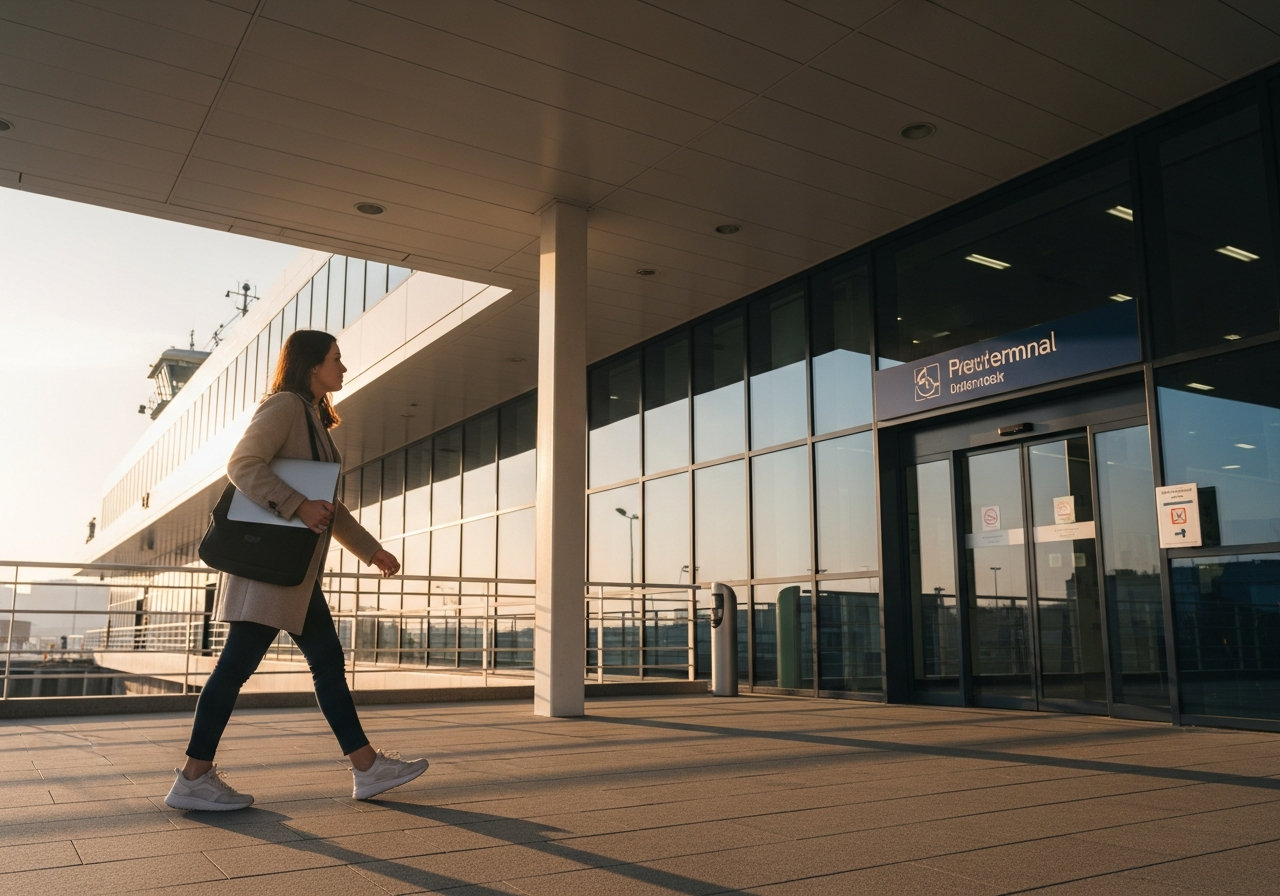
The alarm buzzes at 6:15 AM in a quiet North Vancouver apartment, where Maya’s computer is still humming through the final frames of an overnight 3D render. She grabs her laptop bag, checks that her animation project uploaded to the cloud, and rushes to catch the 7:00 AM SeaBus to downtown Vancouver. By 8:30 AM, she’ll be in the labs at Vancouver Film School, ready for another intensive day of VFX coursework—but first, she faces the daily reality of crossing Burrard Inlet.
This scene plays out for hundreds of VFX and animation students who’ve chosen to live on Vancouver’s North Shore while attending programs concentrated in the city’s downtown core and central districts. Unlike other commuter students, VFX learners face unique challenges: late-night lab sessions, render deadlines that don’t respect transit schedules, and the constant need to balance creative energy with travel time. This article provides an honest, detailed breakdown of what commuting really means for North Shore VFX students—from route planning and cost analysis to managing your portfolio development around transit realities.
Why So Many VFX Students Commute from Vancouver’s North Shore
The North Shore’s appeal for VFX students extends far beyond simple housing costs. Areas like North Vancouver, West Vancouver, and Deep Cove offer a quieter lifestyle that many creative students crave after intense studio sessions downtown. Family homes with extra rooms provide affordable rental opportunities, while the proximity to mountains and forests offers essential mental breaks from screen-intensive coursework. International students, in particular, often find more welcoming housing situations in North Shore neighborhoods compared to the competitive downtown rental market.
However, this residential choice creates an immediate geographic challenge. The heart of Vancouver’s VFX education ecosystem—including Vancouver Film School’s downtown campus, Emily Carr University’s Great Northern Way location, and Capilano University’s animation programs—sits across the water or bridges from these North Shore communities. Major animation studios like Sony Pictures Imageworks, Scanline VFX, and smaller boutique shops cluster in downtown Vancouver and surrounding areas, making the commute a daily reminder of the industry’s geographic concentration.
The contrast becomes particularly stark during networking events, industry meetups, and after-hours collaborative sessions that define VFX education. While downtown students can easily attend evening screenings at the Vancouver International Film Festival or impromptu studio visits, North Shore commuters must carefully plan their participation around transit schedules. Despite these challenges, many students find the mental separation between their learning environment and living space actually enhances their creative process, providing necessary distance from the intensity of VFX programs.
Downtown VFX Hubs vs North Shore Neighbourhoods
Downtown Vancouver’s VFX corridor stretches from the Financial District to Mount Pleasant, creating a dense cluster of educational institutions, production companies, and creative spaces. Vancouver Film School’s Dunsmuir Street campus sits minutes away from major studios, while post-production facilities in Yaletown and Gastown offer internship and networking opportunities within walking distance. This concentration allows downtown-dwelling students to seamlessly move between classes, industry events, and casual encounters with working professionals.
In contrast, North Shore neighborhoods like Lower Lonsdale, Lynn Valley, and Deep Cove offer tree-lined streets, mountain views, and the kind of quiet spaces where students can focus on intensive 3D modeling or compositing work without urban distractions. The residential character of these areas provides larger living spaces, often with dedicated workstations that complement school lab time. Many students report that the evening commute home serves as a natural transition, helping them decompress from intensive creative work.
The creative trade-offs are significant but manageable. While North Shore students miss spontaneous coffee meetings with industry mentors or last-minute collaborative sessions, they gain access to outdoor activities that prevent creative burnout and living situations that support both focused work and genuine rest.
How Program Schedules Shape Where Students Live
VFX and animation programs operate on demanding schedules that would challenge any commuter student. Typical days might include 9 AM lectures, afternoon lab sessions extending until 6 PM, and evening workshops or critique sessions. Add in render deadlines, group project coordination, and portfolio development time, and North Shore students face 12-hour days away from home during peak program intensity. Yet many choose to maintain their commute rather than relocate closer to campus.
The decision often reflects a strategic approach to managing creative energy and financial resources. Students recognize that cramped downtown apartments can increase stress during already-intense program periods, while North Shore housing offers space for proper workstations, render farms, and the mental space necessary for creative problem-solving. The commute, while time-consuming, provides structured transition periods that help students mentally shift between learning and application modes.
Program schedules also create natural rhythms that make commuting more manageable than it initially appears. Lab-intensive periods might require temporary downtown accommodations, while lecture-heavy weeks allow for more flexible commute timing that avoids rush-hour congestion and packed transit systems.
Mapping the Commute: Key Routes from North Shore to VFX Campuses
Understanding your commute options is crucial for North Shore VFX students, as different routes offer varying levels of reliability, comfort, and flexibility. The SeaBus remains the most popular choice for students attending downtown programs, providing a scenic 12-minute water crossing that many students use for portfolio review or decompression time. However, bus connections, driving options, and even cycling combinations can work better depending on your specific program location and schedule.
Weather impacts every commute option in Vancouver, with winter rain affecting cycling safety, snow occasionally disrupting bus schedules, and summer construction projects creating unexpected delays. Successful North Shore commuters typically develop multiple route options and stay informed about TransLink service updates, particularly during the frequent infrastructure maintenance periods that affect bridges and transit hubs.
| Route | Typical Travel Time (off-peak) | Typical Travel Time (rush hour) | Main Mode (SeaBus/Bus/Car/Bike) | Ideal For |
|---|---|---|---|---|
| Lonsdale Quay to Waterfront via SeaBus | 25-35 minutes | 45-60 minutes | Bus + SeaBus + SkyTrain | Downtown VFS, Emily Carr Great Northern Way |
| North Van to UBC via Lions Gate Bridge | 35-45 minutes | 60-90 minutes | Bus via #44 UBC | UBC programs, West Side studios |
| West Van to Downtown via Lions Gate | 30-40 minutes | 50-75 minutes | Car or Bus #250 | Flexible schedules, equipment transport |
| Deep Cove to Capilano University | 20-30 minutes | 35-45 minutes | Bus #211 + #236 | CapU animation/VFX programs |
| North Van to Downtown via Second Narrows | 40-50 minutes | 60-80 minutes | Car via Highway 1 | Late-night lab sessions, heavy equipment |
| Bike + SeaBus Combination | 35-45 minutes | 40-50 minutes | Bike + SeaBus | Good weather, fitness-minded students |
Choosing the Best Commute Route for Your VFX School Location
Your program’s specific location should drive your commute strategy more than general convenience factors. Vancouver Film School’s downtown campus makes the SeaBus route almost mandatory, while Capilano University’s North Vancouver location actually favors students living in Deep Cove or Lynn Valley. Emily Carr’s Great Northern Way campus sits awkwardly between transit lines, making bus combinations or cycling more practical than the scenic SeaBus route that many students initially prefer.
Before each term begins, experienced commuter students recommend doing trial runs at the exact times you’ll be traveling during the program. A route that works perfectly at 10 AM might become nightmarish during the 8:30 AM rush, and evening return trips often face different delay patterns than morning commutes. Factor in the reality that VFX students often carry laptops, external drives, and occasionally larger equipment that makes certain transit options impractical.
Consider developing seasonal route strategies, as Vancouver’s weather patterns significantly impact commute reliability. The SeaBus rarely faces weather delays, but connecting buses can be disrupted by snow, while driving routes face different challenges during construction seasons and winter storm periods.
Time Costs: How Commuting Eats into Creation, Renders, and Rest
The hidden time costs of commuting extend far beyond the minutes spent on transit, particularly for VFX students managing render deadlines and collaborative projects. A typical North Shore commuter loses 2-3 hours daily to travel and transit connections, but the real impact comes from the scheduling constraints this creates around lab access, group meetings, and the inevitable last-minute project adjustments that define VFX education.
Smart commuter students learn to transform transit time into productive or restorative periods rather than viewing it as lost time. The SeaBus journey provides uninterrupted time for script review, storyboard sketching, or industry podcast listening, while bus rides can accommodate less intensive tasks like organizing project files or responding to collaborative platform messages.
- Lab scheduling limitations: North Shore students often book the earliest and latest lab slots to avoid peak commute times, but this can limit collaboration opportunities with classmates on different schedules.
- Render planning complications: Complex 3D renders that might take 8-12 hours need to be carefully coordinated with commute schedules, often requiring overnight home rendering setups or strategic lab booking.
- Group project coordination: Meeting for collaborative work becomes more complex when some team members face 90-minute commutes, often pushing important creative discussions to online platforms rather than in-person brainstorming.
- Portfolio development pressure: The reduced flexibility for spontaneous lab access means commuter students must be more disciplined about portfolio progression, often working on personal projects during home time rather than extending school lab sessions.
- Industry networking constraints: Evening industry events, guest lectures, and informal networking opportunities become strategic decisions rather than casual participation, as late-night events can mean expensive taxi rides home or complicated late transit connections.
Sample Daily Schedules for North Shore VFX Commuters
A typical intensive program day for a North Shore VFX student begins with a 6:15 AM alarm, allowing time for a quick breakfast and catching the 7:00 AM SeaBus to arrive at Vancouver Film School by 8:30 AM for a 9:00 AM start. Classes and lab sessions run until 6:00 PM, followed by a 7:00 PM departure to catch the 7:30 PM SeaBus, arriving home around 8:15 PM. This schedule leaves little room for spontaneous collaboration or extended lab time, making every minute of the official program day critical.
During crunch periods—common in VFX programs during portfolio development or major project deadlines—many students modify this schedule by staying overnight with downtown friends or booking late-night lab sessions followed by early morning returns home. Some students develop “commute light” days where they pack multiple days’ worth of clothes and essentials, reducing the daily back-and-forth during particularly intensive project periods.
Successful commuter students also build buffer time into their schedules, recognizing that TransLink delays, weather disruptions, or unexpected lab equipment issues can cascade into major scheduling problems. A 30-minute buffer in the morning and evening schedules prevents minor delays from becoming missed classes or incomplete project submissions.
Weekend schedules often become essential catch-up time, with many North Shore students using Saturday and Sunday for portfolio development, personal project work, and the kind of extended creative sessions that weekday commutes make difficult to achieve. This pattern can be sustainable for motivated students but requires careful attention to prevent creative burnout from inadequate rest periods.
When Commute Time Becomes a Hidden Production Deadline
VFX project deadlines rarely align neatly with transit schedules, creating a secondary layer of time pressure that affects creative decision-making. When a complex After Effects composite needs “just one more hour” of refinement, but the last convenient SeaBus departs in 30 minutes, students face difficult choices between creative excellence and practical logistics. These micro-deadlines accumulate over a term, subtly influencing the scope and ambition of student projects.
Many experienced commuter students develop home render setups specifically to address this challenge, shifting time-intensive computational work to overnight home sessions while reserving lab time for collaborative work, feedback sessions, and tasks requiring specialized software or hardware. This adaptation requires additional financial investment in home computers capable of handling professional VFX workloads, but it provides crucial flexibility around transit constraints.
The most successful North Shore VFX students learn to view commute schedules as project parameters rather than external obstacles, building transit realities into their creative planning from the beginning of each assignment rather than discovering conflicts during crunch periods.
The Money Side: Comparing Housing and Commute Costs
The financial equation for North Shore VFX students involves more variables than simple rent versus transit pass costs. While North Shore housing typically offers better value per square foot than downtown alternatives, the total monthly expenses include transit passes, emergency transportation costs, increased food expenses from limited lunch preparation time, and potential additional technology investments to support home rendering and remote collaboration.
Hidden costs accumulate quickly for commuter students. Staying late for important networking events or collaborative sessions often means expensive ride-share trips home, as late-night transit options become limited and less reliable. Similarly, equipment transport requirements for larger projects can necessitate car rentals or delivery services that don’t factor into basic commute cost calculations.
| Living Setup | Approx. Monthly Rent/Costs | Commute Pass/Fuel/Parking | Total Estimated Monthly Cost | Key Trade-offs |
|---|---|---|---|---|
| North Shore shared house | $800-1200 | $180 (3-zone pass) | $980-1380 | Space vs commute time, nature access |
| Downtown studio apartment | $1400-1800 | $30-50 (occasional transit) | $1430-1850 | Convenience vs space and cost |
| North Shore with car commute | $800-1200 | $350-450 (fuel + downtown parking) | $1150-1650 | Flexibility vs parking costs and stress |
| Burnaby/Richmond alternative | $900-1300 | $140 (2-zone pass) | $1040-1440 | Moderate commute vs North Shore lifestyle |
| North Shore + occasional car share | $800-1200 | $220-280 (transit + car share) | $1020-1480 | Balanced flexibility and cost control |
Budgeting for a Full Term as a Commuter VFX Student
- Calculate total transportation costs including emergency options: Beyond your monthly transit pass, budget for occasional ride-shares, car share usage for equipment transport, and potential parking fees for special events or late-night sessions.
- Factor in increased food expenses from limited meal prep time: Commuter students often spend more on campus food or quick meals due to early departures and late returns that limit home cooking time.
- Plan for technology investments that support remote work: Home rendering capabilities, reliable internet for file transfers, and backup storage solutions become more critical when you can’t easily extend lab sessions.
- Build an emergency fund for accommodation flexibility: Budget for occasional downtown overnight stays during intensive project periods or when transit disruptions make commuting impractical.
- Account for seasonal variation in transportation costs: Winter weather can increase ride-share usage, while summer construction projects might require alternative routing that affects both time and money.
- Include portfolio development and networking event costs: Professional development opportunities often require evening participation, creating additional transportation and meal expenses beyond regular commute costs.
Energy and Mental Health: Surviving Long Days and Longer Commutes
The psychological impact of commuting while managing intensive VFX coursework extends beyond simple fatigue, affecting creative output, collaborative relationships, and long-term career development. Students often underestimate how daily 3-4 hour commutes compound with the mental demands of learning complex software, managing tight deadlines, and developing artistic vision. The result can be a gradual erosion of the creative energy that drew students to VFX in the first place.
However, many successful North Shore VFX graduates report that learning to manage commute-related stress actually developed valuable professional skills. The discipline required to maintain creative output while managing logistical constraints mirrors the realities of professional VFX work, where client deadlines, technical limitations, and collaborative schedules create similar time management challenges. The key lies in developing sustainable routines rather than pushing through unsustainable periods.
Sleep patterns become particularly critical for commuter students, as the temptation to extend late-night creative sessions conflicts with early morning departure requirements. Successful students often develop strict sleep hygiene practices, recognizing that creative work quality suffers more from fatigue than from time constraints. This might mean setting firm project completion deadlines that account for commute realities rather than working until the last possible moment.
Social isolation can become a secondary concern, as commute schedules limit participation in the informal relationships that often support students through challenging program periods. Building intentional social connections during official program hours and maintaining contact through digital platforms becomes more important for commuter students than for those who can easily participate in spontaneous social activities.
Protecting Your Creative Energy on Transit
- Invest in quality noise-cancelling headphones for creating mental space during crowded transit periods, allowing you to use travel time for inspiration gathering through podcasts, music, or audiobooks rather than energy drainage.
- Develop transit-specific creative routines such as sketchbook work during SeaBus rides, script review during bus connections, or using smartphone apps for color palette development and reference gathering.
- Create commute playlists that manage energy levels with energizing music for morning travels and decompression tracks for evening returns, helping your brain transition between home and school modes.
- Use transit time for industry education by following VFX artists on social media, watching technique videos, or listening to industry podcasts that supplement formal coursework with current professional insights.
- Practice mindfulness techniques during delays or stressful commute periods to prevent transit frustrations from affecting your creative work quality once you arrive at school.
- Pack strategic snacks and water to maintain steady energy levels during long school days, as commute schedules often limit opportunities for proper meal breaks.
Recognizing When the Commute is No Longer Sustainable
Several warning signs indicate that commute stress is negatively impacting academic performance and creative development. Chronic lateness, frequent absence from optional but valuable activities, declining portfolio quality, or persistent fatigue that affects learning capacity all suggest the need for alternative arrangements. Students might also notice social isolation from classmates, increased anxiety around schedule disruptions, or a growing resentment toward their program that actually stems from commute stress rather than coursework challenges.
Alternative strategies for overwhelmed commuter students include arranging temporary downtown accommodations during intensive project periods, forming commute groups with other North Shore students for mutual support and ride-sharing, or negotiating flexible program schedules that reduce daily travel requirements. Some students successfully transition to hybrid arrangements, maintaining North Shore housing while staying downtown 2-3 nights per week during peak program intensity.
The decision to relocate closer to campus shouldn’t be viewed as a failure of planning, but rather as an adaptive response to changing program demands. Many students find that their commute tolerance varies throughout their program, with foundational coursework periods being more manageable for commuters than intensive production or portfolio development phases that require maximum flexibility and collaboration.